


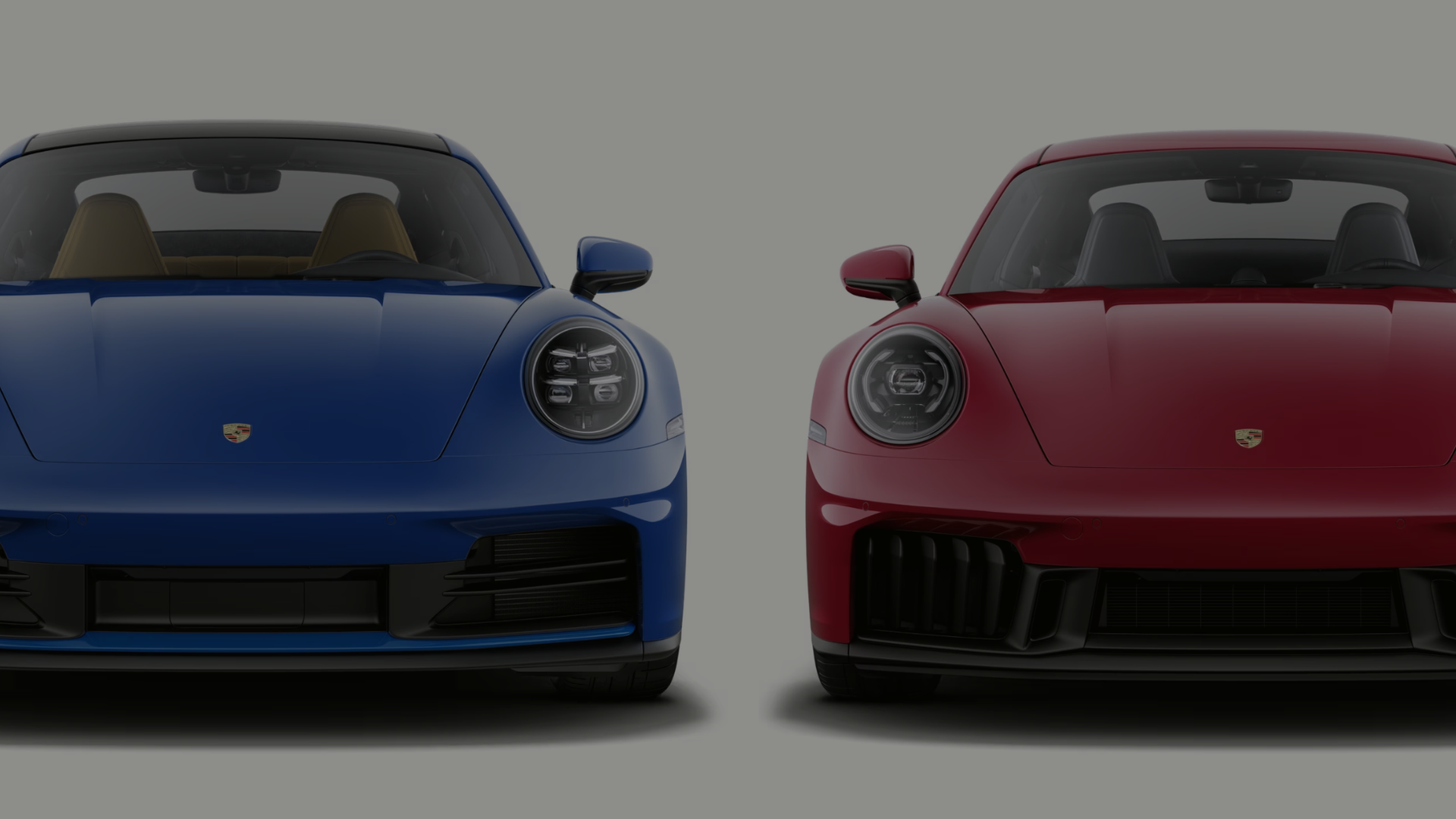
Porsche 911 Carrera 4 vs. 911 Carrera 4 GTS: Understanding the Differences
The Porsche 911 is not just a sports car. It is an institution. For over sixty years, it has defined what it means to blend pulse-pounding performance with true everyday usability. But for the 2026 model year, the iconic 911 (known internally as the 992.2 generation) has undergone one of the most significant engineering evolutions in its storied history.


When you walk into the showroom at Jackie Cooper Porsche in Tulsa, you'll face a thrilling decision if you are in the market for an all-wheel-drive sports car. Do you choose the refined, purely mechanical brilliance of the 911 Carrera 4? Or do you step into the absolute bleeding edge of automotive innovation with the new, radically advanced 911 Carrera 4 GTS?
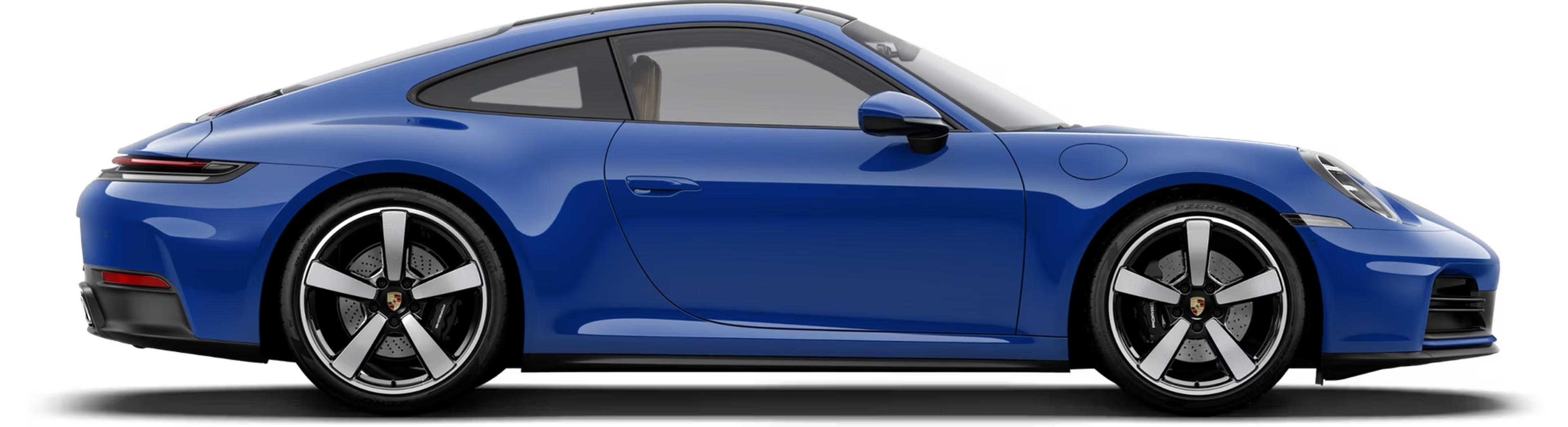
Both vehicles feature the legendary Porsche Traction Management (PTM) all-wheel-drive system. They will both carve up the winding roads of the Osage Hills with surgical precision, and they will both laugh in the face of unpredictable Oklahoma weather. Yet, beneath their sculpted rear engine covers, these two 911 models operate on entirely different philosophies.
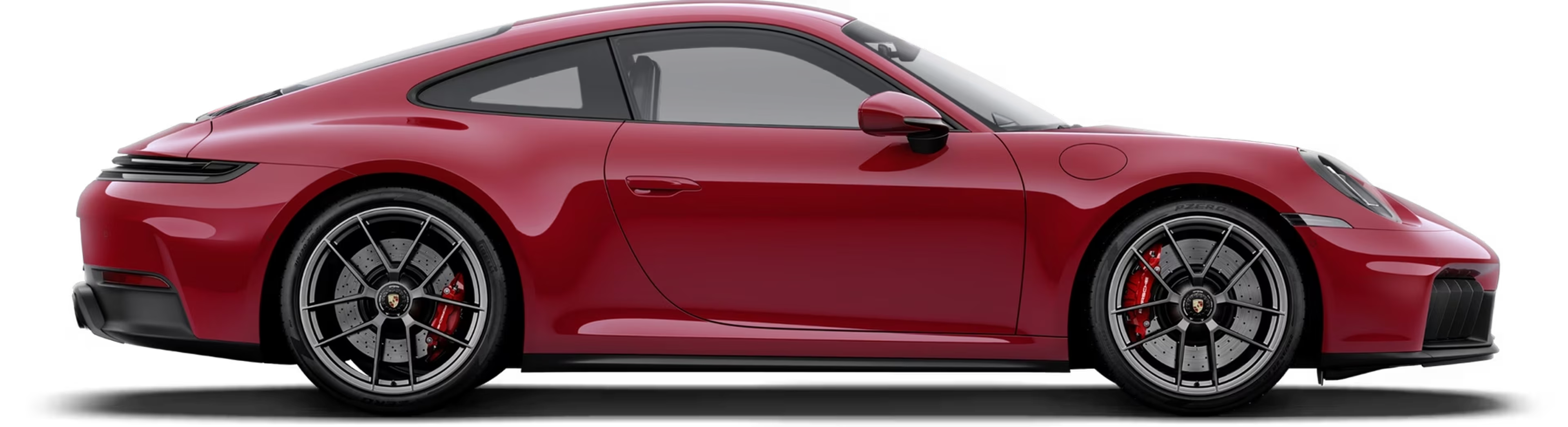
Whether you are looking for a gorgeous daily driver for your commute down the Broken Arrow Expressway or a weekend weapon for the track, here is everything you need to know about the differences between the 2026 Porsche 911 Carrera 4 and the Carrera 4 GTS.
The Powertrains: Pure Internal Combustion vs. T-Hybrid Innovation
The absolute biggest differentiator between these two models lies right behind the rear axle. Porsche has drawn a distinct line in the sand between classic turbocharged performance and hybrid-assisted dominance.
The 911 Carrera 4 Experience
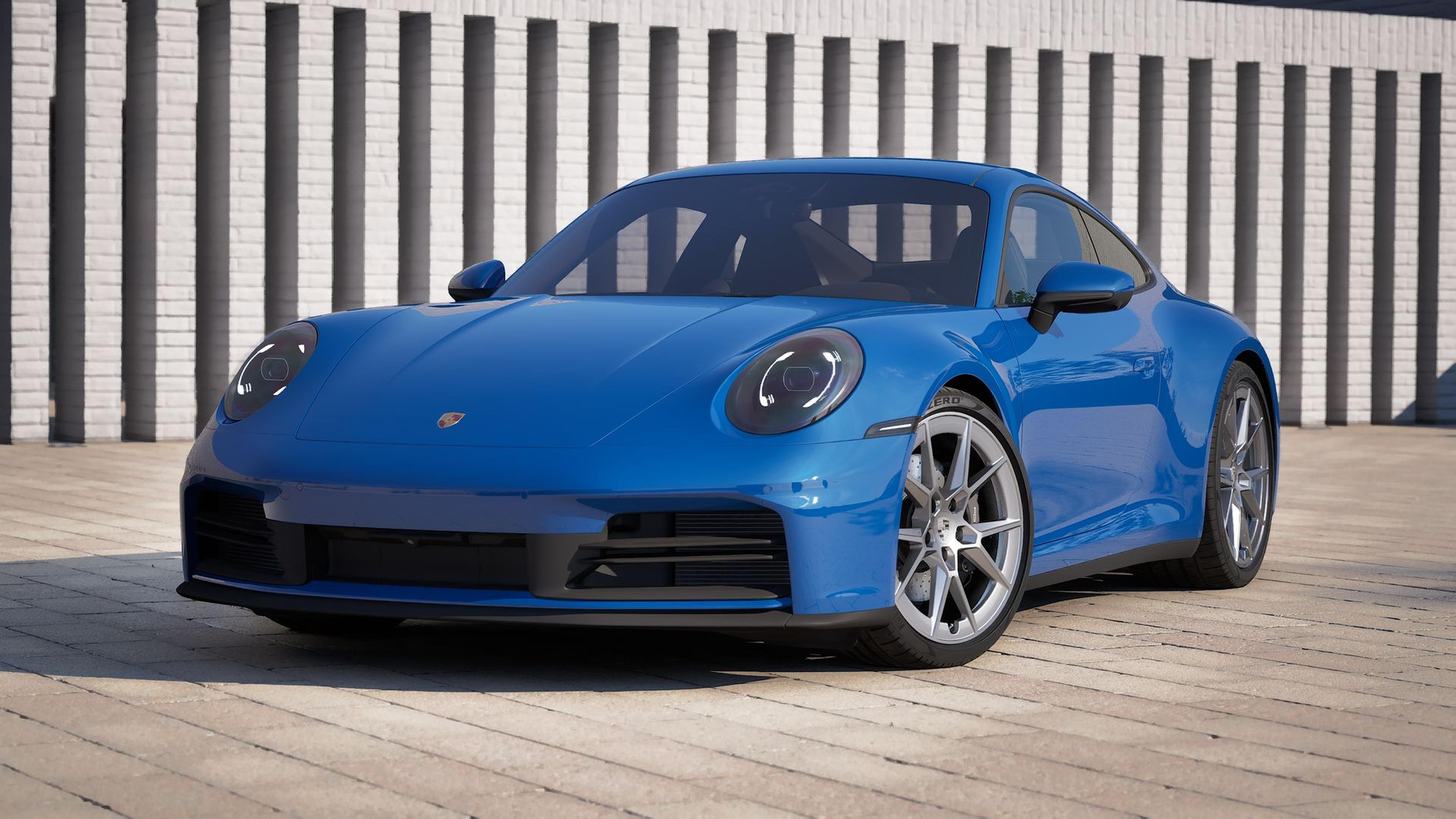
The base Carrera 4 remains a love letter to internal combustion. For 2026, Porsche engineers heavily revised the 3.0-liter twin-turbocharged flat-six engine. They adopted the larger turbochargers from the previous generation's GTS model and paired them with the high-performance intercooler from the 911 Turbo, repositioning it directly under the rear decklid grille. The result? A robust 388 horsepower.
It breathes fire. It revs beautifully. It delivers that classic, mechanical flat-six symphony that enthusiasts crave. Paired with Porsche’s 8-speed PDK dual-clutch transmission, the Carrera 4 provides a snappy, highly engaging driving experience that feels incredibly analog and connected to the road.
The 911 Carrera 4 GTS Experience:
The new GTS rewrites the rulebook. It introduces Porsche’s groundbreaking T-Hybrid system. Do not confuse this with a heavy, plug-in efficiency hybrid. This is Le Mans-derived performance technology built purely for speed.
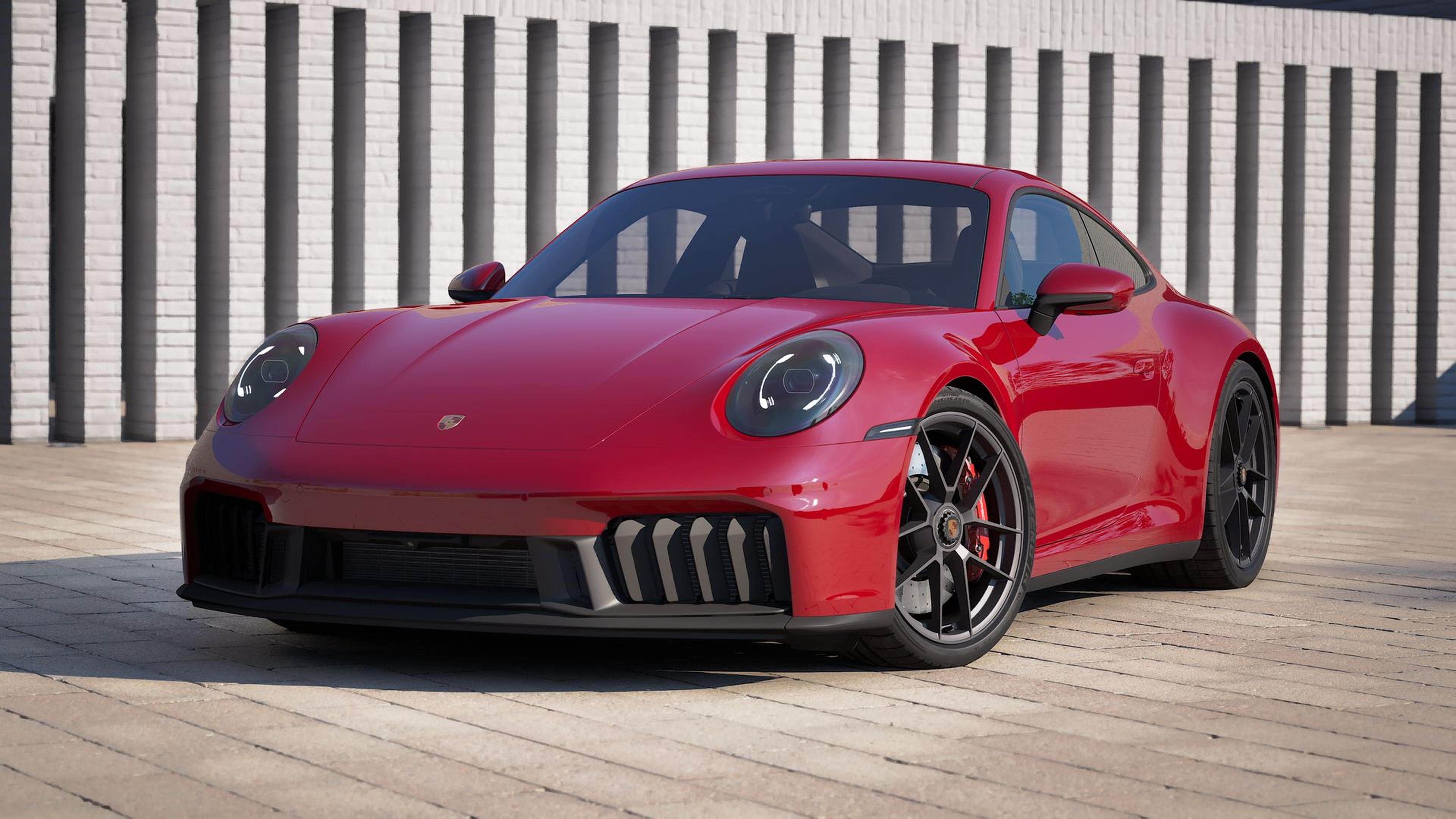
Porsche replaced the 3.0-liter engine with a brand-new 3.6-liter flat-six equipped with an innovative electric exhaust gas turbocharger. This cutting-edge eTurbo spools up instantly via an integrated electric motor, eliminating turbo lag before the exhaust gases even take over. Finally, they integrated a second, powerful electric motor directly into the 8-speed PDK transmission.
The result is staggering. The T-Hybrid system delivers a massive 532 combined horsepower and 449 lb-ft of torque. The instant torque fill from the electric motor means the moment you press the accelerator, you are shoved violently into the back of your seat. It doesn't build power. It just explodes.
Performance Specs and Raw Numbers
To truly understand how this engineering translates to the pavement, you have to look at the raw data. Both vehicles are blindingly fast, but the T-Hybrid system in the GTS elevates the 911 into supercar territory. Here is how the 2026 models compare side-by-side:
(Note: Performance figures are based on manufacturer track testing with the Sport Chrono Package. Check with Jackie Cooper Porsche for specific trim availability).
Driving Dynamics and Suspension Tuning
Both of these 911 models feature Porsche Traction Management (PTM). This all-wheel-drive system constantly monitors wheel speed, lateral acceleration, and steering angle, instantly routing power to the front wheels the moment it detects a loss of grip at the rear. If you get caught in a sudden downpour near Grand Lake, both cars will remain firmly planted.
However, suspension tuning dictates how the car feels day to day.
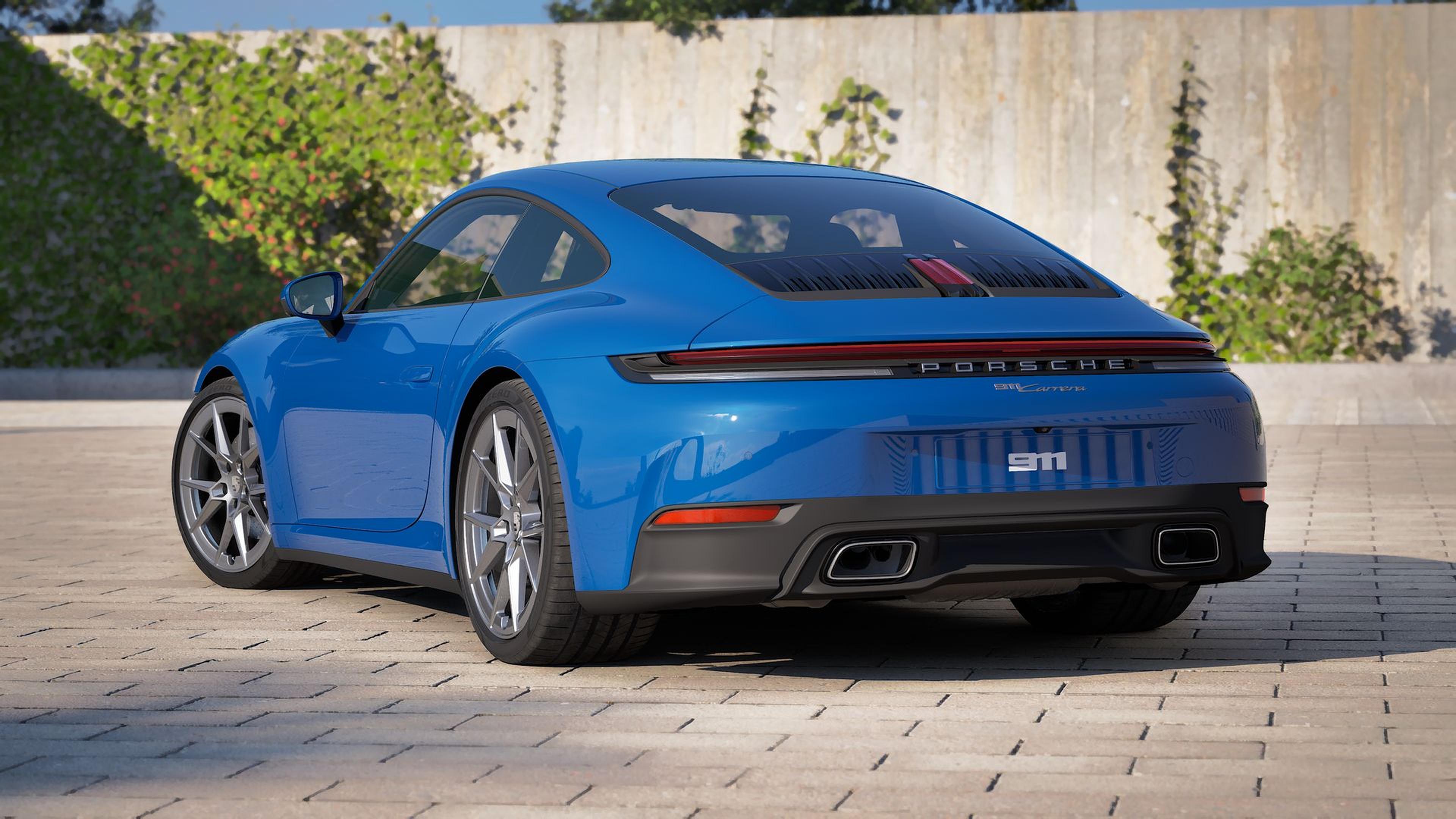
The Carrera 4:
This is the ultimate grand tourer. The suspension is highly capable but heavily refined. It absorbs the harsh expansion joints of the Creek Turnpike beautifully. It is a sports car that you can genuinely drive to the office in downtown Tulsa every single day without feeling fatigued. It is compliant, quiet when you want it to be, and ferocious when you need it to be.
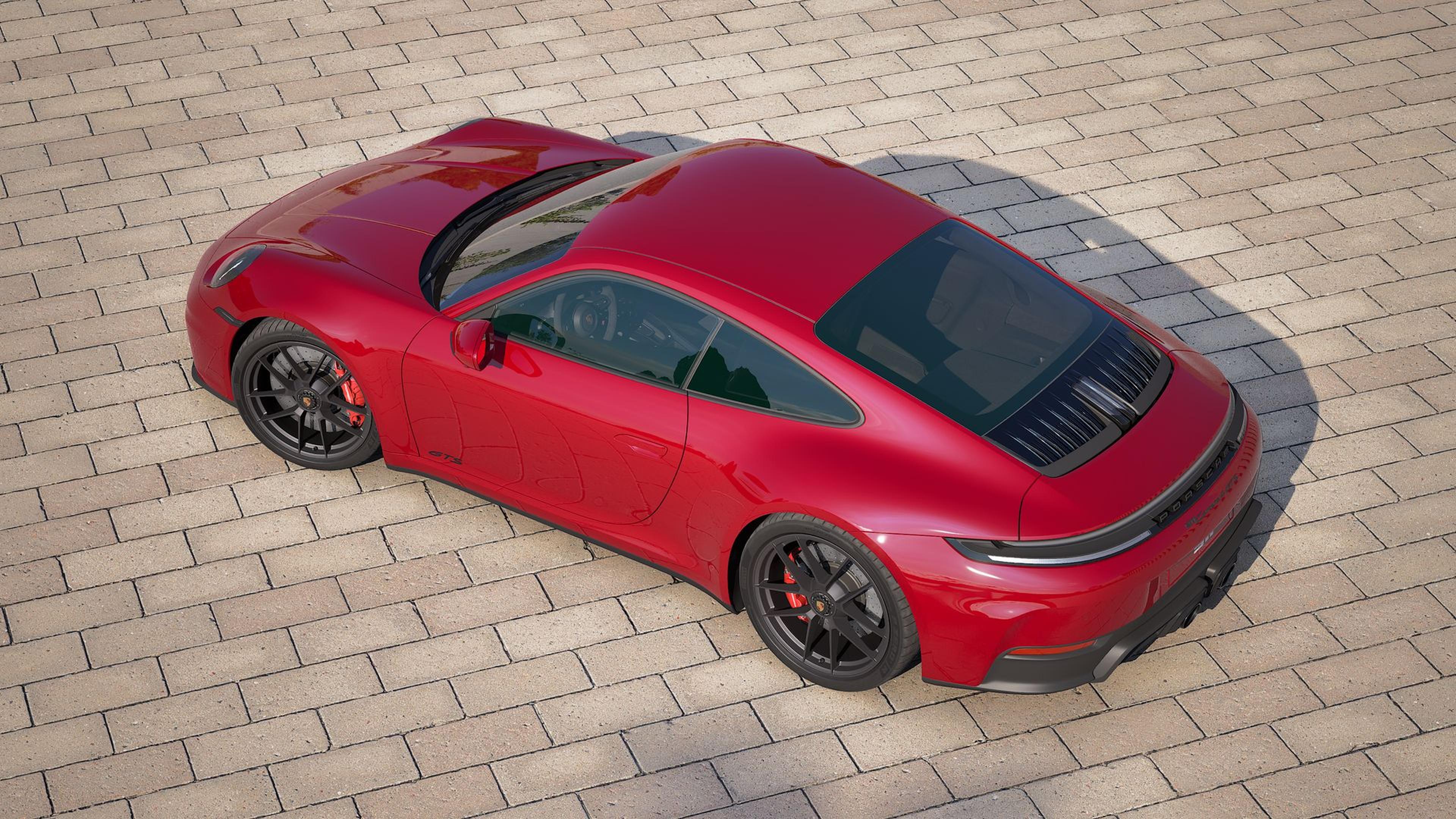
The Carrera 4 GTS:
The GTS moniker has always stood for the sweet spot between the street and the track. It features standard Porsche Active Suspension Management (PASM) Sport Suspension, which lowers the ride height by 10 millimeters for a more aggressive stance and a lower center of gravity.
Furthermore, the new Carrera 4 GTS comes standard with Rear-Axle Steering. At low speeds in tight Jenks parking lots, the rear wheels turn slightly in the opposite direction of the front, virtually shortening the wheelbase for incredible maneuverability. At high speeds on the highway, they turn in the same direction, providing massive stability during lane changes. It makes the GTS feel telepathic.
Aerodynamics, Design, and Everyday Usability
Porsche designers follow a strict philosophy: form must follow function. Every vent, wing, and flap on a 911 is there to serve the aerodynamics.
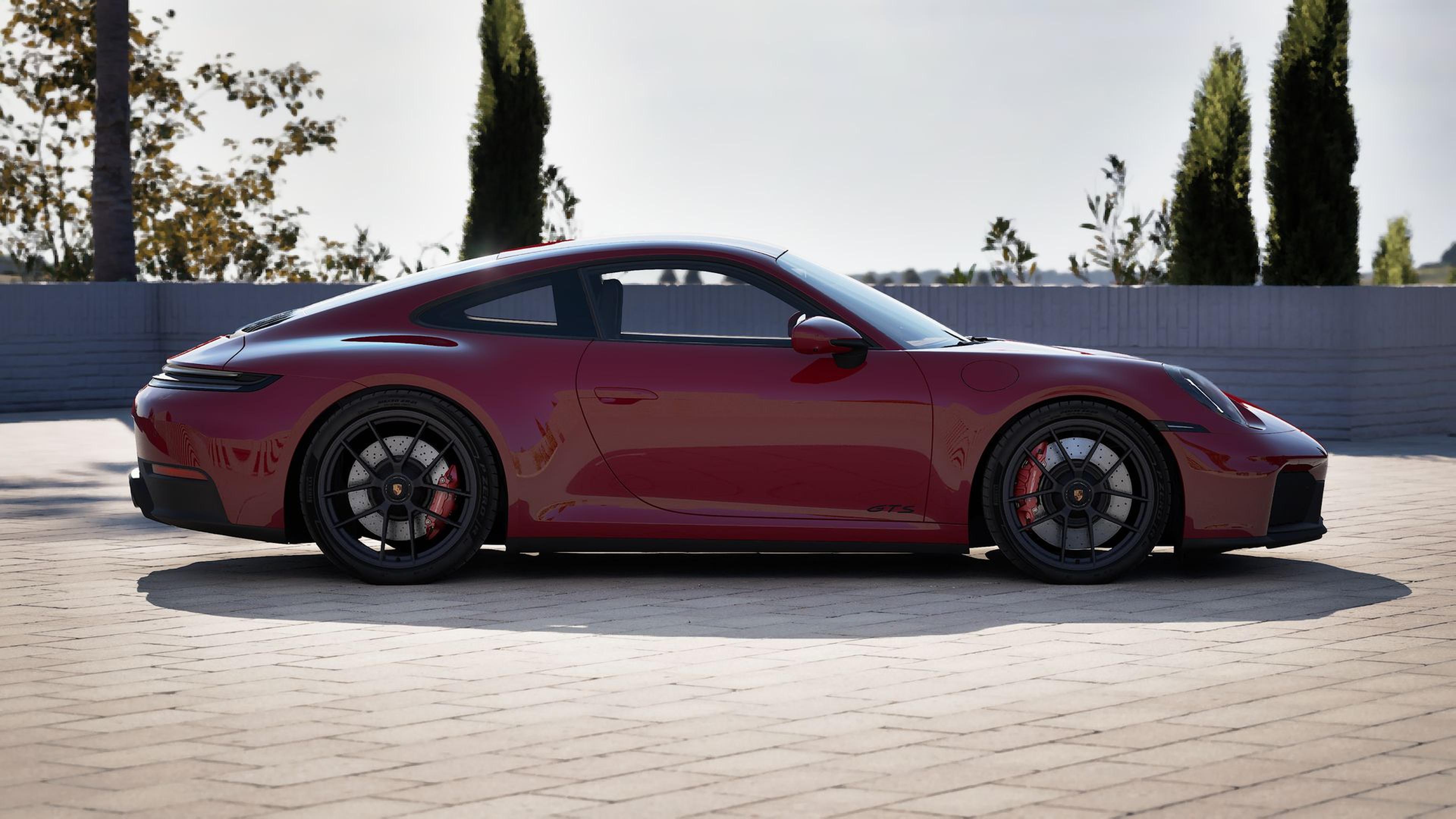
Because the T-Hybrid system in the GTS requires specialized cooling, the Carrera 4 GTS front fascia is completely unique. It features vertical, active aerodynamic flaps in the front air intakes. When you are cruising efficiently, the flaps close to reduce drag. When you are pushing the car hard on a twisty backroad, the flaps open wide to feed maximum air to the radiators.
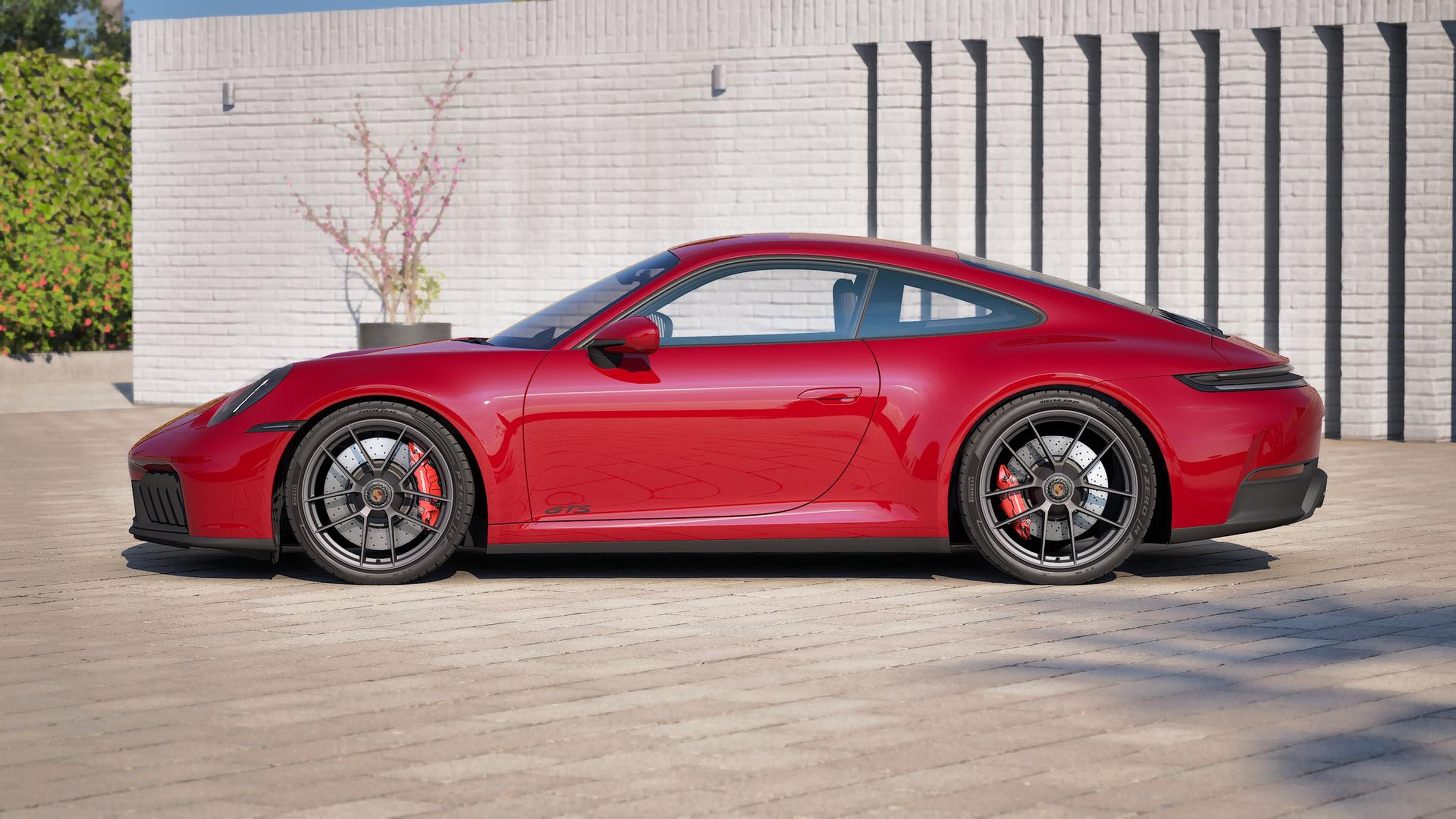
The GTS also sits on staggered, center-locking wheels (20-inch in the front, 21-inch in the rear), giving it a significantly wider, more aggressive footprint than the standard Carrera 4.
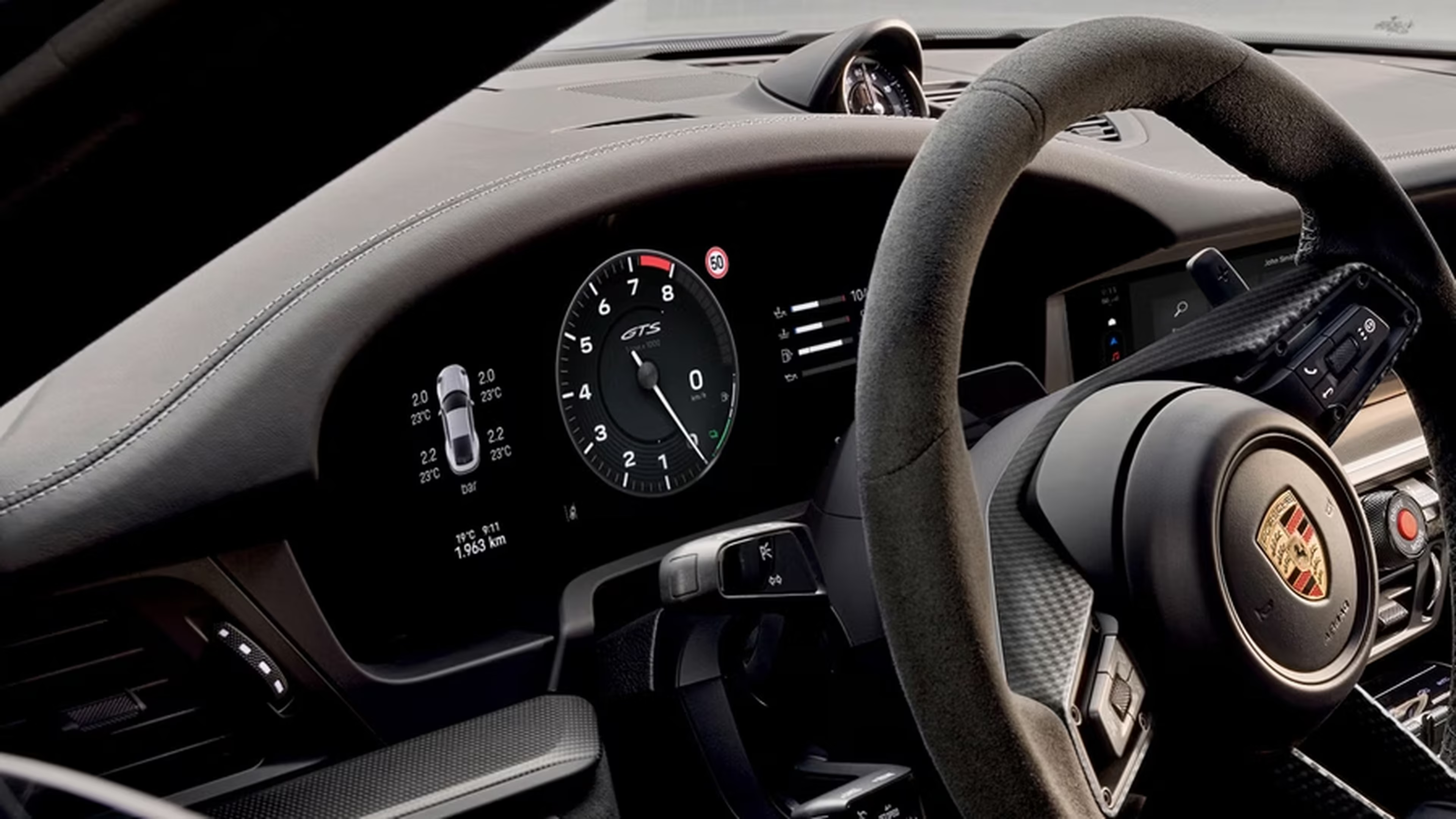
Inside, both cabins are masterpieces of modern ergonomics. They feature the new, fully digital curved instrument cluster and the brilliantly responsive Porsche Communication Management (PCM) central touchscreen.
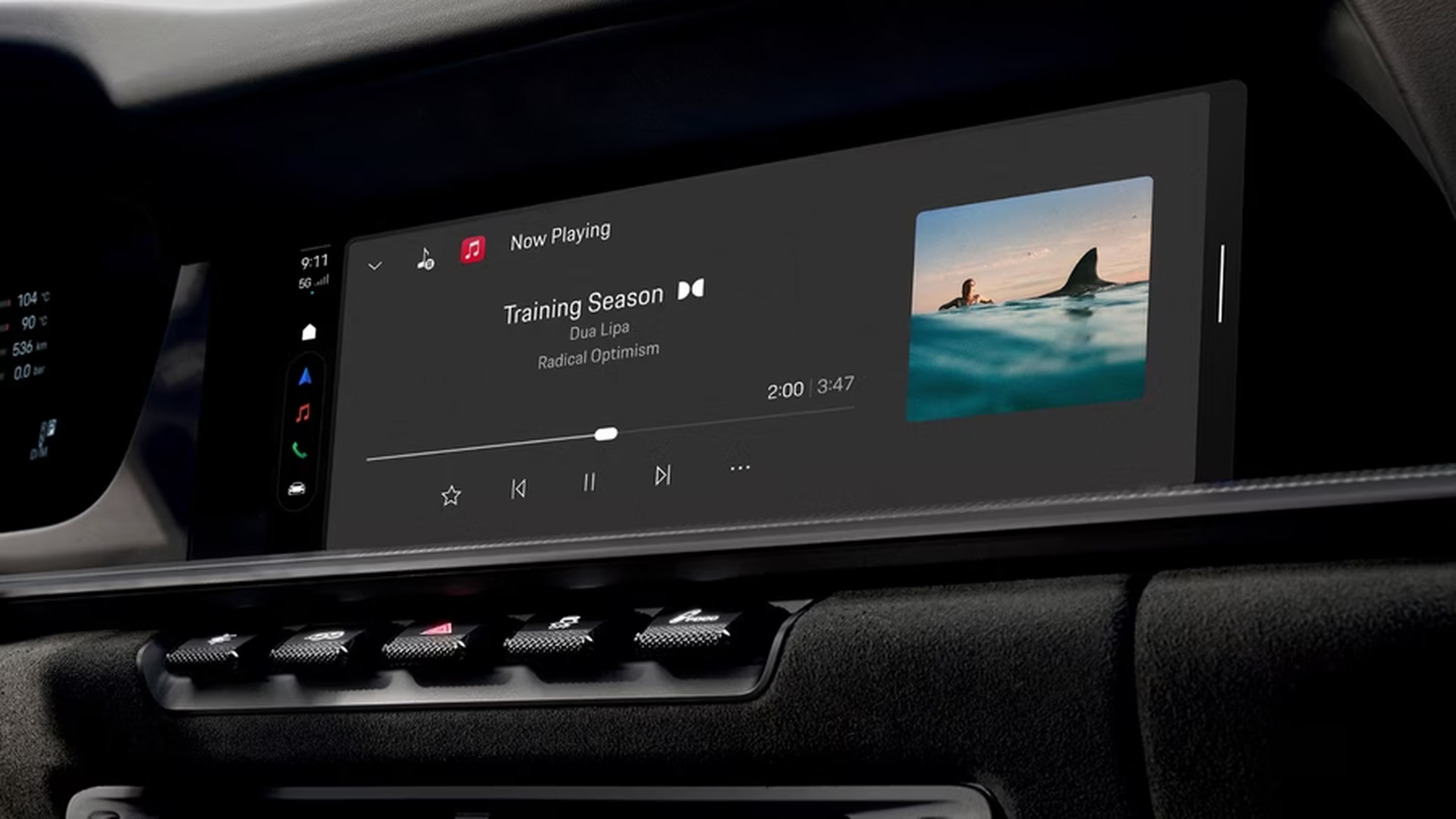
Both cars offer native Apple CarPlay integration, allowing you to seamlessly pull up your favorite music or navigation apps the moment you slide into the leather seats.
Frequently Asked Questions
Does the 911 Carrera 4 GTS need to be plugged into a charger?
No. It is a massive misconception that all hybrids must be plugged into the wall. The T-Hybrid system in the new GTS is a closed-loop performance hybrid. The small, ultra-lightweight 1.9 kWh battery pack recharges itself entirely on the fly using regenerative braking and excess power from the flat-six engine. You drive it exactly like you would a traditional gas-powered car.
Are manual transmissions available for these models?
For the 2026 model year, both the base 911 Carrera 4 and the heavily electrified Carrera 4 GTS are offered exclusively with the lightning-fast 8-speed PDK automatic transmission. The precision of the PDK is required to seamlessly manage the immense power and electric motor integration of the new powertrains.
Is the GTS suspension too stiff for daily driving in Oklahoma?
Not at all. While the GTS is lower and stiffer than the standard Carrera 4, the standard PASM (Porsche Active Suspension Management) system features adaptive dampers. In "Normal" mode, the suspension softens beautifully to soak up daily road imperfections, making it comfortable for your daily commute.
Which model holds its value better?
Historically, all Porsche 911 models hold their value incredibly well compared to other luxury sports cars. However, the GTS trim level is highly coveted by Porsche enthusiasts for its blend of performance options and unique styling. As a result, a well-maintained GTS often commands a slightly higher premium on the pre-owned market.
Which 911 Fits Your Lifestyle?
Choosing between the 2026 Porsche 911 Carrera 4 and the Carrera 4 GTS is a monumental decision, but there are no wrong answers. You are simply choosing the flavor of your adrenaline.
Choose the 911 Carrera 4 if you want the ultimate, refined daily driver. It offers the classic, mechanical thrill of a pure internal combustion engine, the safety of all-wheel drive, and a compliant suspension that makes long road trips across Green Country an absolute joy. It is timeless.
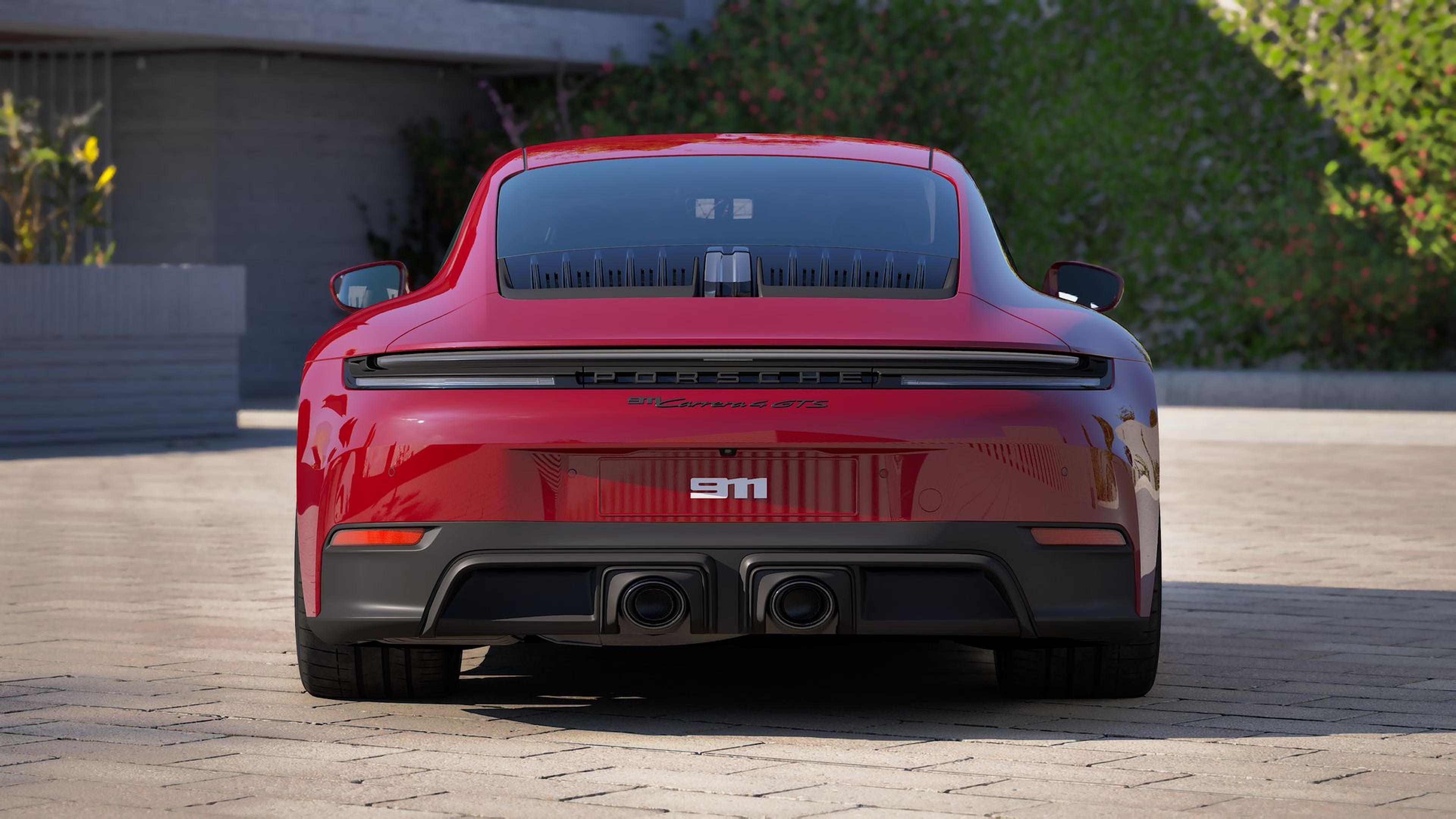
Choose the 911 Carrera 4 GTS if you demand the absolute peak of modern automotive engineering. With its groundbreaking T-Hybrid powertrain, instant electric torque, active aerodynamics, and track-ready suspension, the GTS delivers face-melting supercar acceleration in a package you can still drive to the grocery store. It is the future, realized today.
The numbers are impressive, but the driving experience is unforgettable. You have to feel it for yourself.